A single leaking duct joint can waste up to 30% of an HVAC system’s conditioned air, and in most industrial facilities, nobody notices until energy bills spike or equipment fails. By that point, the damage is already done.
Industrial duct cleaning and repair is not a routine housekeeping task. It is a critical maintenance function that directly affects energy costs, air quality, equipment lifespan, and in regulated industries, legal compliance.
Whether you manage a manufacturing plant, a food processing facility, or a maritime vessel, this guide covers everything you need to know.
What Is Industrial Duct Cleaning and Repair?
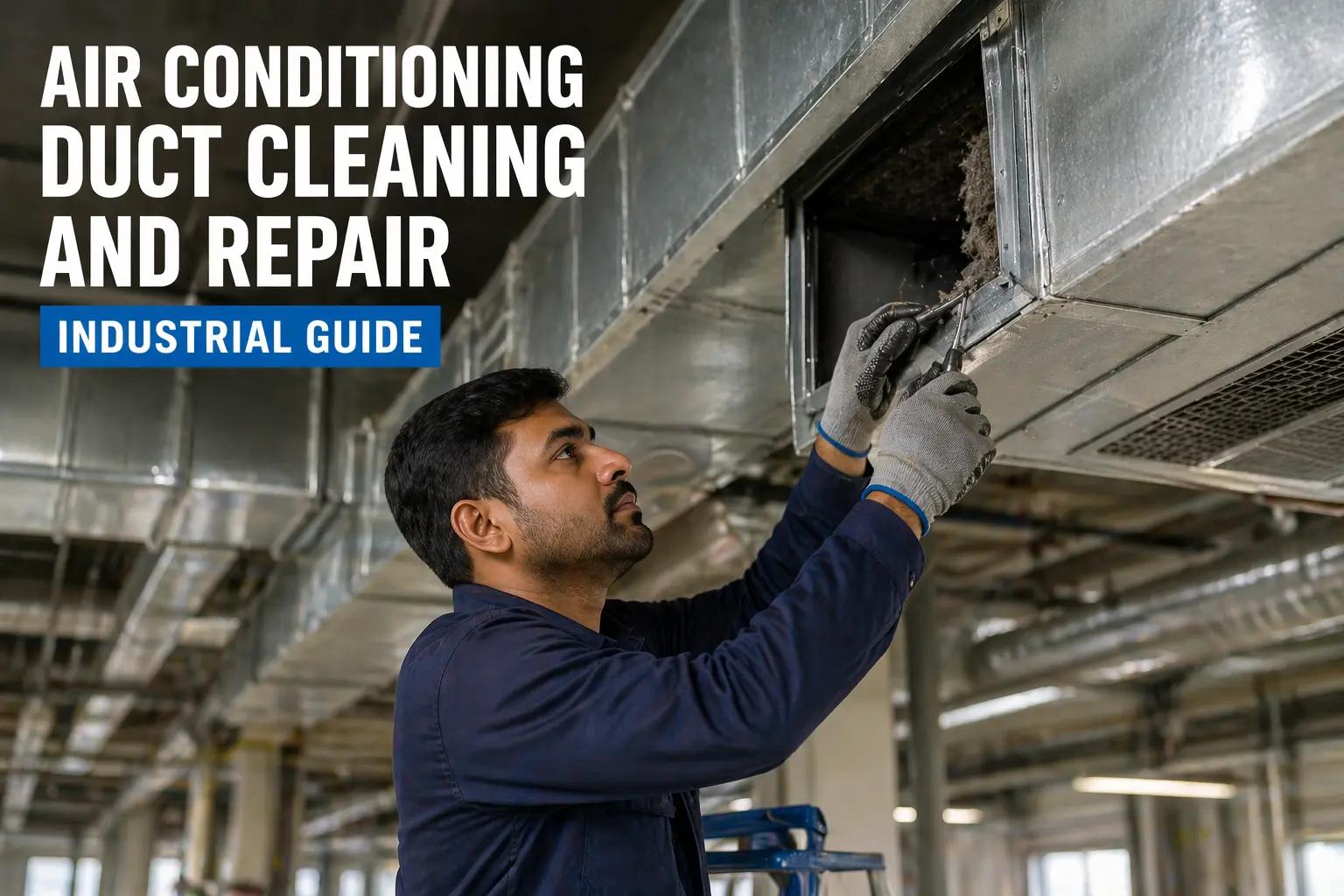
Industrial duct cleaning is the professional removal of dust, grease, debris, mold, and microbial contamination from HVAC ductwork in commercial and industrial facilities. Duct repair refers to the sealing of air leaks, restoration of insulation, and structural fixes to damaged duct sections.
Together, these services restore an HVAC system to its designed performance, improving airflow, reducing energy consumption, and ensuring clean air circulation throughout the facility.
Why Industrial Duct Maintenance Matters
Industrial HVAC systems run continuously under heavy load. Over time, contaminants build up inside ductwork, and the consequences are measurable:
Energy Loss: According to the U.S. Department of Energy, duct leakage alone accounts for 25–40% of HVAC energy loss in commercial and industrial systems. Contamination-related airflow restrictions push losses even higher.
Air Quality Decline: Contaminated ducts recirculate dust, VOCs, mold spores, and industrial byproducts across work areas. This leads to respiratory issues, increased sick days, and in regulated sectors like pharmaceuticals or food processing, compliance failures.
Equipment Degradation: When ducts are restricted or leaking, HVAC units compensate by running harder. This accelerates wear on compressors, fans, and motors, shortening equipment lifespan and increasing breakdown frequency.
Regulatory Risk: Occupational health standards in many industries mandate acceptable indoor air quality. Dirty ductwork is a common and entirely avoidable source of non-compliance.
Regular industrial duct cleaning and repair protects your people, your equipment, and your operating budget simultaneously.
The Industrial Duct Cleaning Process: Step by Step
Unlike residential cleaning, industrial duct cleaning follows a structured, multi-stage process designed for heavy contamination and large system volumes.
Step 1 — Inspection and Assessment Technicians use camera systems and airflow measurement tools to map contamination levels, identify restrictions, and locate structural damage before any cleaning begins. This step determines the correct cleaning method for each duct section.
Step 2 — System Isolation Duct sections are isolated to prevent loosened contaminants from spreading through the system during cleaning. In active facilities, isolation requires careful coordination to minimize production disruption.
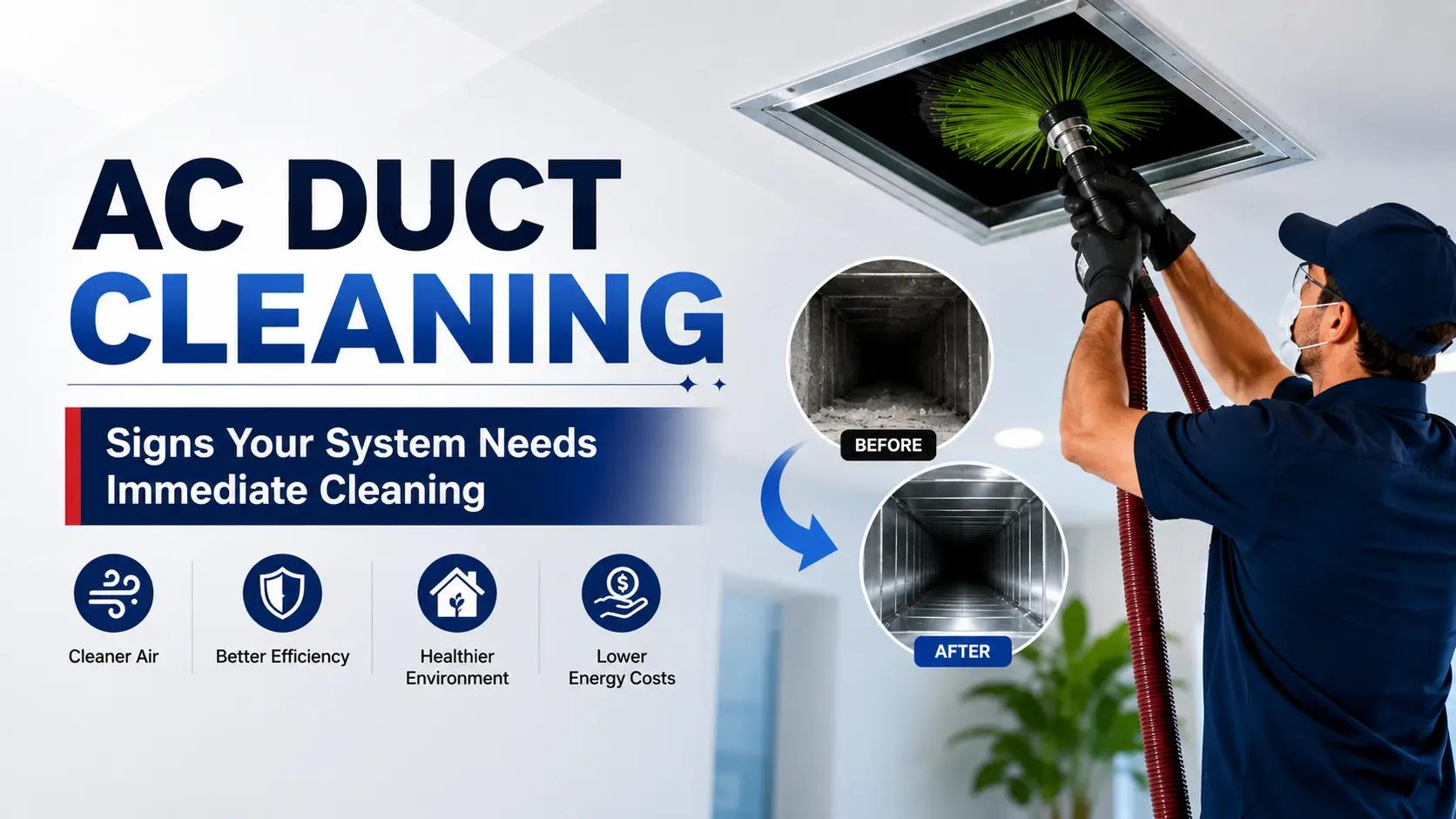
Step 3 — Mechanical Agitation and Extraction High-powered rotary brushes, air whips, and pneumatic tools break up compacted debris, grease, and biofilm. Industrial-grade vacuum systems extract the loosened material simultaneously. Standard residential equipment cannot handle industrial contamination levels.
Step 4 — Compressed Air Sweeping Compressed air systems clear fine particles from joints, corners, and transitions that mechanical tools cannot fully reach.
Step 5 — Sanitization (Where Required) In food processing, healthcare, and maritime environments, antimicrobial treatments are applied after mechanical cleaning to eliminate bacteria and mold that can rapidly re-establish in humid duct conditions.
Step 6 — Post-Cleaning Verification Airflow readings and efficiency metrics are documented before and after the service. Reputable providers deliver written performance data, not just verbal confirmation.
Industrial Duct Repair Services
Cleaning alone cannot address a duct system with structural problems. These are the most common industrial duct repair services:
Air Leak Sealing Leaks at joints, seams, and connections are the primary cause of HVAC efficiency loss. Mastic sealant or metallic tape restores airtightness. The reduction in system load is often measurable immediately after sealing.
Insulation Repair and Replacement Degraded insulation causes condensation, energy loss, and uneven temperature distribution. In humid environments, it also accelerates mold growth inside ductwork. Insulation replacement restores thermal performance and moisture control.
Structural Duct Repair Corrosion, dents, collapsed sections, and failed joints require physical repair or section replacement. In marine environments, salt-air corrosion can cause sudden structural failure rather than gradual degradation, making early intervention especially important.
Airflow Rebalancing System imbalance, where some zones receive excess airflow and others insufficient, can often be corrected through damper adjustments and register modifications without major hardware replacement.
Benefits of Professional Duct Cleaning and Repair
A properly maintained duct system delivers measurable improvements across multiple operational areas:
- Energy savings of 15–20% are achievable in systems neglected for two or more years
- Improved indoor air quality with fewer particulates, lower mold spore counts, and reduced VOC concentrations
- Extended HVAC equipment lifespan through reduced operational strain
- Fewer unplanned breakdowns and lower emergency maintenance costs
- Regulatory compliance with occupational health and environmental standards
For a mid-sized industrial facility running HVAC year-round, a 15% energy reduction represents significant annual savings, often recovering the cost of professional cleaning within one operating season.
Maritime HVAC Duct Cleaning: A Special Case
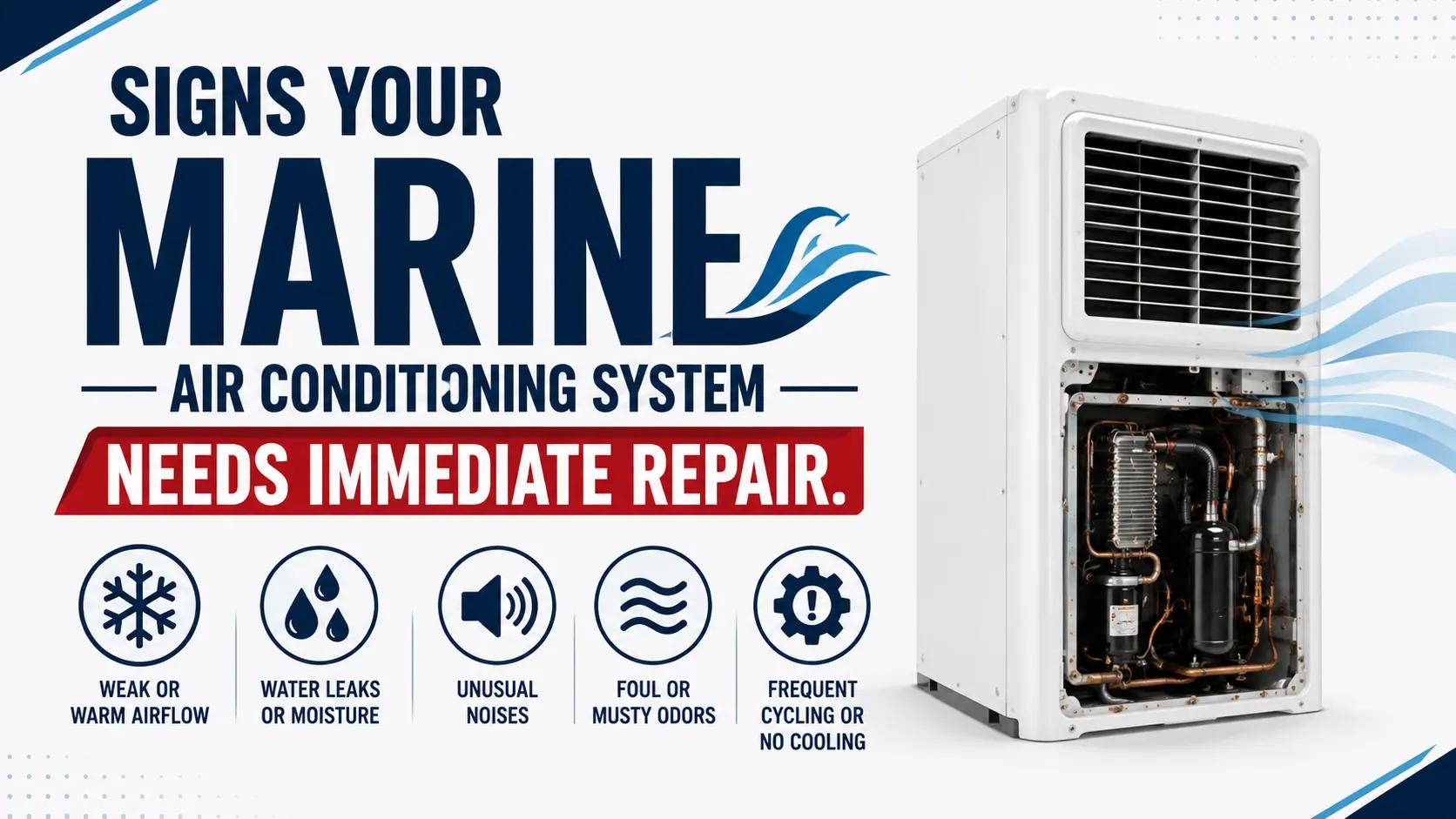
Ships and offshore facilities face conditions that accelerate every HVAC maintenance challenge. Salt air is aggressively corrosive. Humidity is persistent. Ventilation is constrained by the vessel’s structure. And crew members have no alternative air source, they breathe what the system delivers.
In maritime environments, neglected ductwork creates genuine safety and habitability risks. Mold colonies can establish within weeks. Corroded duct sections can fail structurally. Contaminated air degrades crew health, alertness, and performance, with direct consequences for vessel safety.
For maritime operators, a regular duct cleaning and repair schedule ensures:
- Clean, breathable air in crew quarters and operational spaces
- Prevention of corrosion-related failures before they require emergency intervention
- Consistent cooling performance under continuous operating stress
- Compliance with IMO and flag state occupational health requirements
Marine duct maintenance is not a discretionary expense, it is a fundamental part of responsible vessel operation.
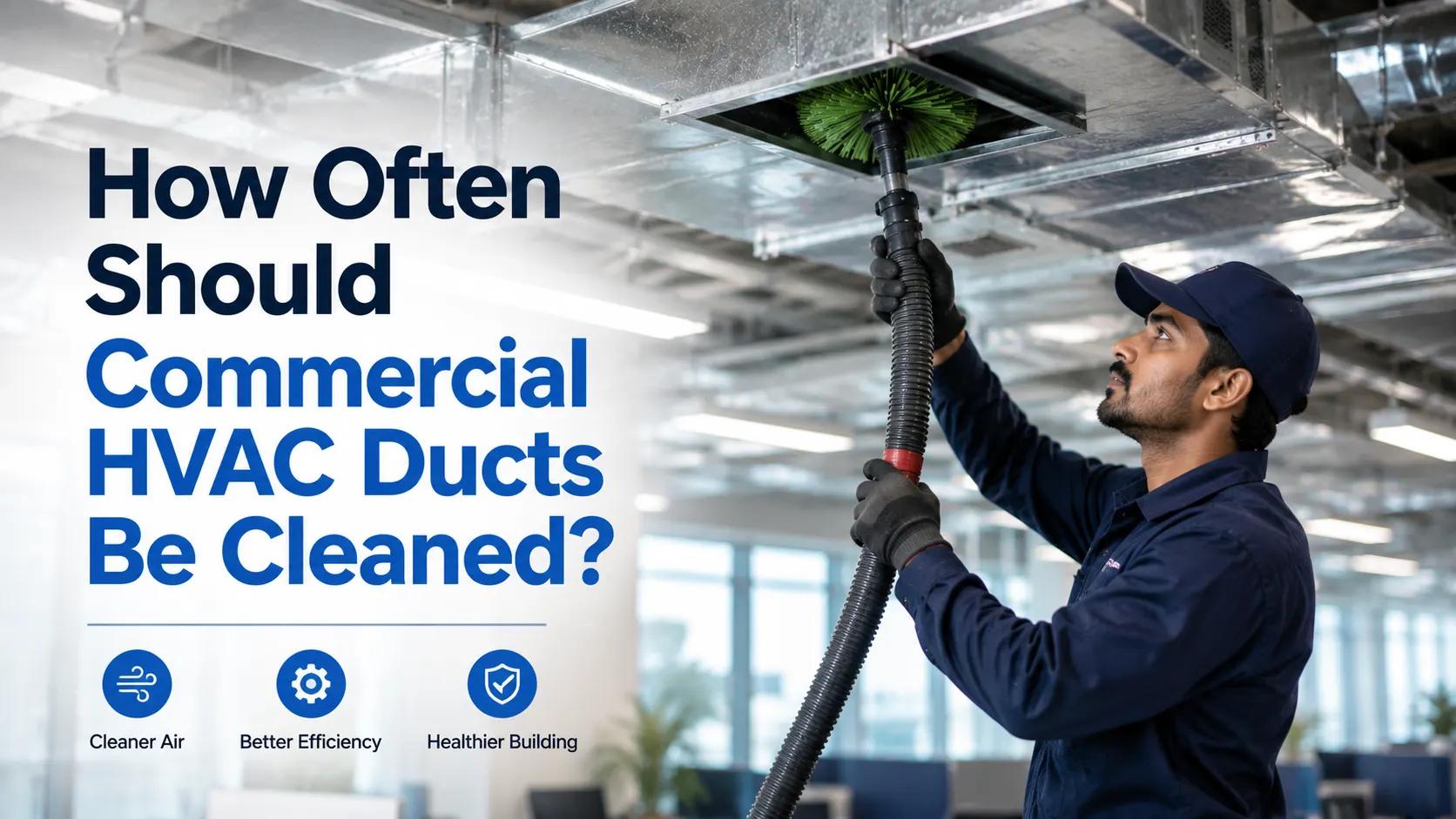
How Often Should You Schedule Industrial Duct Cleaning?
Maintenance frequency should match your operating environment:
| Facility Type | Recommended Interval |
| Light industrial / commercial | Every 2–3 years |
| Heavy manufacturing / food processing | Annually |
| High-particulate environments | Every 6–12 months |
| Marine and offshore operations | Every 12–18 months |
Schedule an inspection sooner if you notice reduced airflow at supply vents, unexplained increases in energy bills, rapid dust accumulation near vents, unusual odors when the system runs, or a recent increase in HVAC service calls.
Choosing an Industrial Duct Cleaning and Repair Provider
Not all duct cleaning services are equipped for industrial work. When evaluating providers, look for:
- Experience with your specific facility type (manufacturing, marine, food processing, etc.)
- Industrial-grade equipment — rotary brushes, high-capacity extraction, camera inspection
- Written pre- and post-cleaning performance reports
- Relevant certifications (NADCA membership is the industry standard in North America)
- Clear scope of work covering both cleaning and any identified repairs
A provider who cannot document performance improvements before and after service is not delivering industrial-grade work.
Conclusion
Industrial HVAC ductwork is where system efficiency is won or lost. Contamination and structural damage develop gradually and quietly, but their impact on energy costs, air quality, and equipment reliability is continuous and compounding.
A scheduled industrial duct cleaning and repair program costs a fraction of what reactive maintenance, emergency repairs, and wasted energy add up to over time. In maritime environments, it also directly protects the crew who depend on that air every day.
If your ductwork hasn’t been professionally inspected in the past two years, that is where to start, not because something is visibly wrong, but because in most systems, something already is.
Duct maintenance isn’t an expense. It’s the cost of running your systems the way they were designed to run.