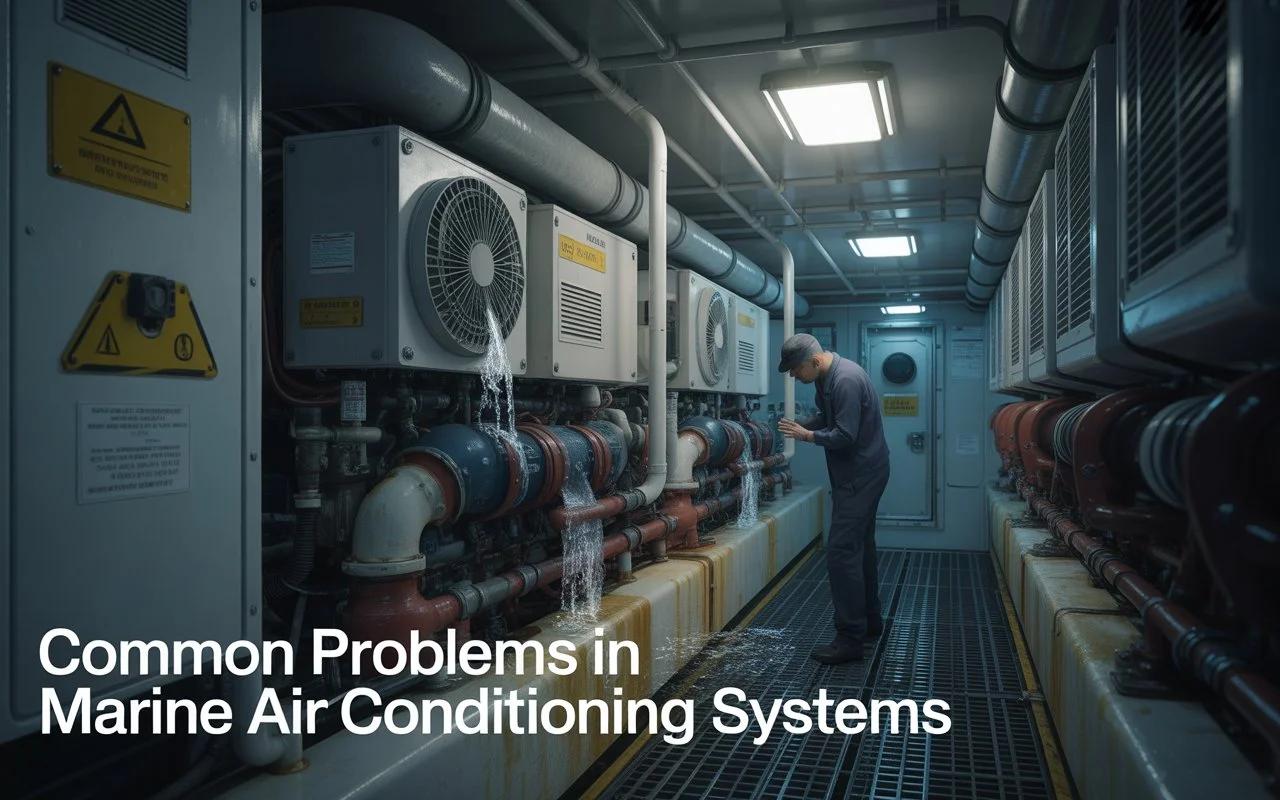
Marine air conditioning systems are designed to operate in some of the harshest environments possible. Unlike standard HVAC systems used in homes or commercial buildings, these systems are constantly exposed to salt-laden air, high humidity, vibration, and continuous operational loads. Because of this, even a well-installed marine air conditioning system can develop issues over time if not properly maintained.
Understanding the most common problems in marine air conditioning systems is essential for vessel owners, operators, and maintenance teams. Early detection not only helps in avoiding system failure but also reduces repair costs and downtime.
Table of Contents
- Refrigerant Leakage and Cooling Inefficiency
- Compressor Failure Under Harsh Marine Conditions
- Airflow Restrictions and Uneven Cooling
- Drainage Issues and Moisture Build-Up
- Electrical Failures Due to Corrosion and Moisture
- Inefficient Insulation and Energy Loss
- Lack of Preventive Maintenance
- Why Addressing These Problems Early Matters
Refrigerant Leakage and Cooling Inefficiency
One of the most frequent issues in marine air conditioning systems is refrigerant leakage. Due to constant vibration and exposure to corrosive marine conditions, pipelines and joints may weaken over time. When refrigerant levels drop, the system struggles to maintain the desired temperature, resulting in poor cooling performance.
In many cases, operators notice that the system is running continuously but still not delivering adequate cooling. This not only affects comfort onboard but also increases energy consumption. Timely inspection and professional marine refrigeration services are crucial to detect leaks early and restore system efficiency before the issue escalates.
Compressor Failure Under Harsh Marine Conditions
The compressor is the core component of any marine HVAC system, and its failure can bring the entire cooling process to a halt. In marine environments, compressors are subjected to extreme operational stress, including fluctuating loads and limited ventilation in engine rooms.
Compressor issues often begin with minor symptoms such as unusual noise, overheating, or delayed cooling. Ignoring these early signs can lead to complete failure, requiring costly replacement. Regular servicing and timely refrigeration and HVAC compressor repair and overhaul play a critical role in ensuring long-term performance and reliability.
Airflow Restrictions and Uneven Cooling
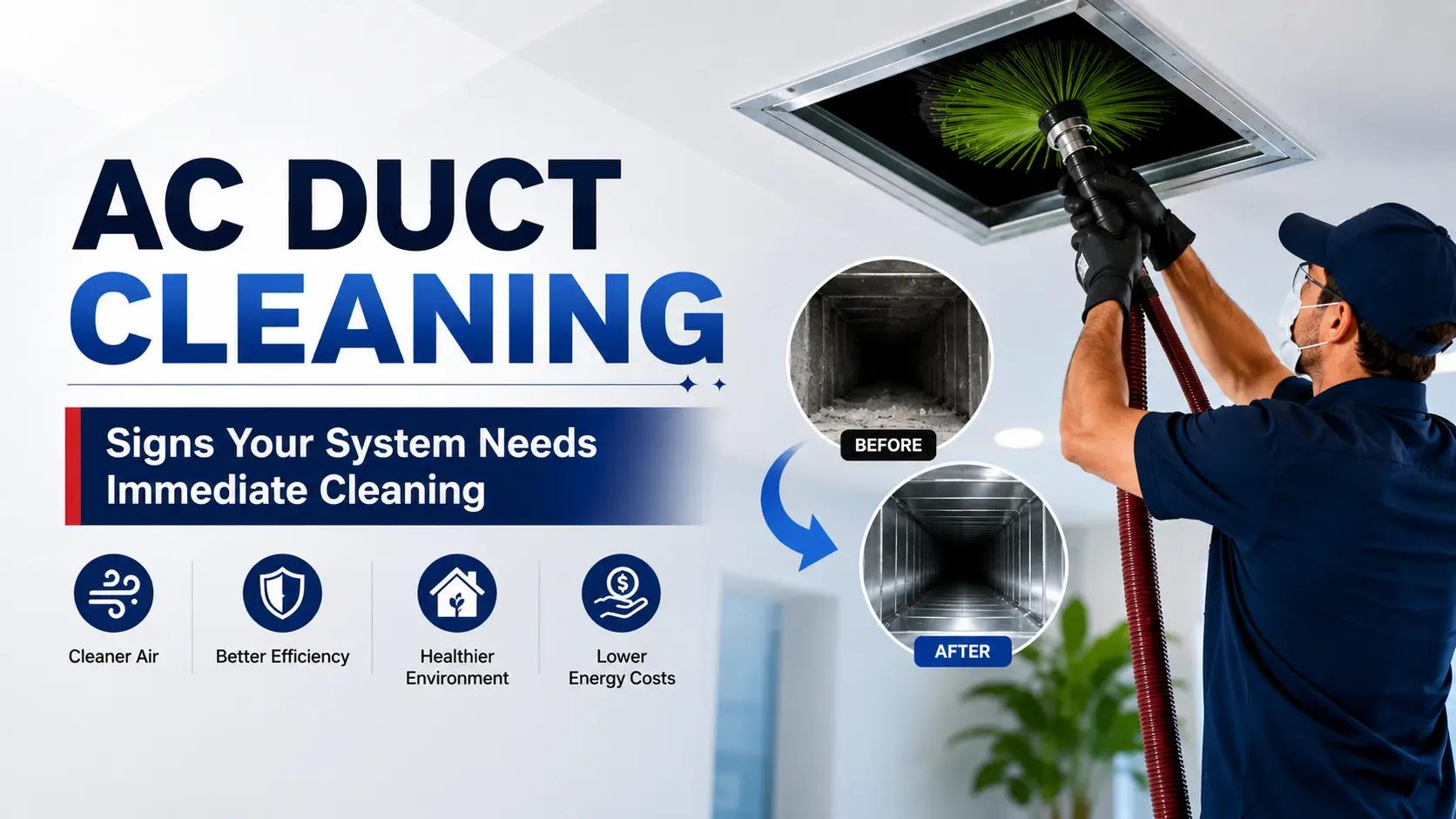
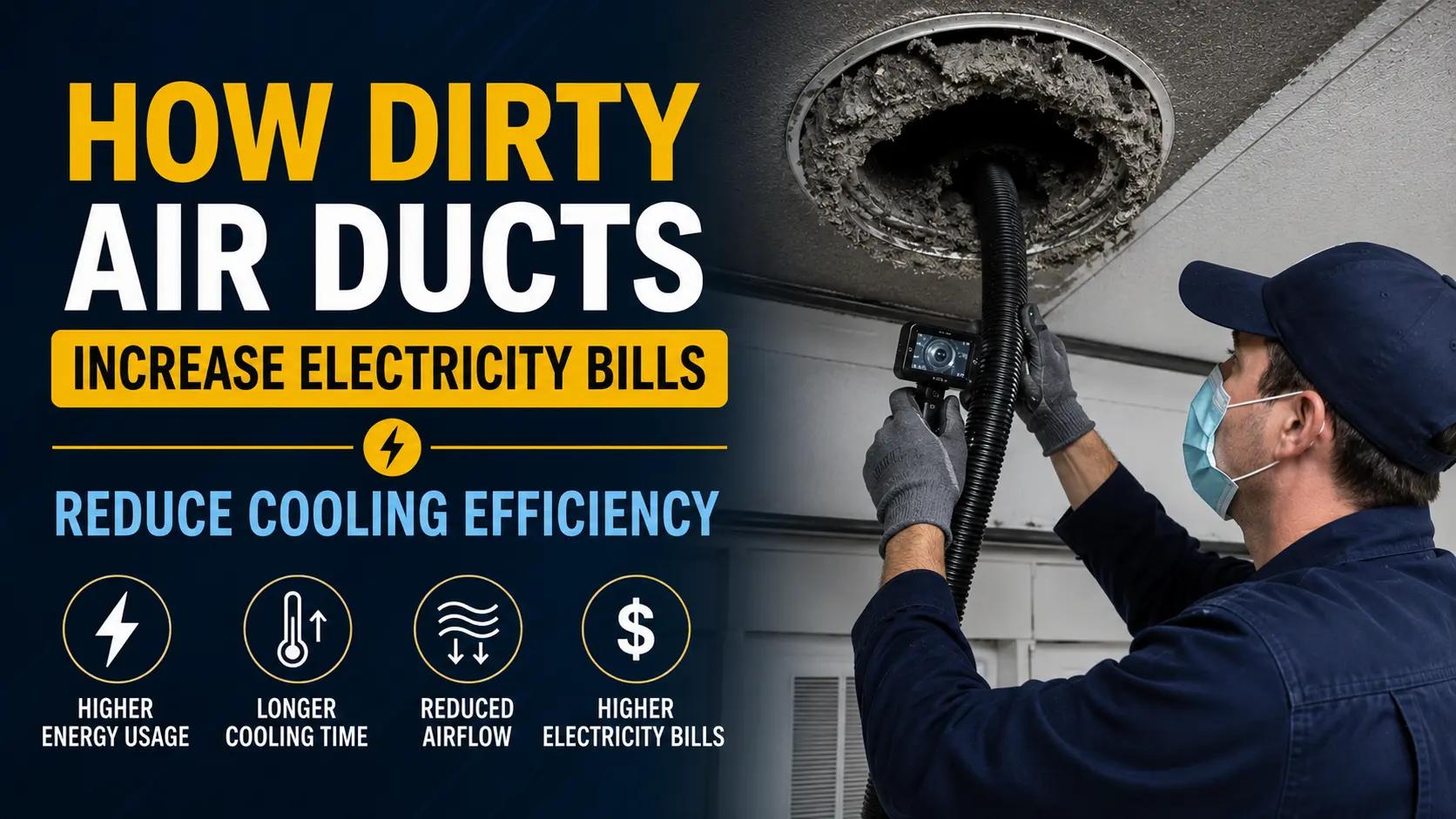
Proper airflow is essential for maintaining consistent cooling across different sections of a vessel. However, airflow restrictions are a common problem, especially in systems that have not been serviced regularly. Dust accumulation, clogged filters, and blocked ducts can significantly reduce the efficiency of the system.
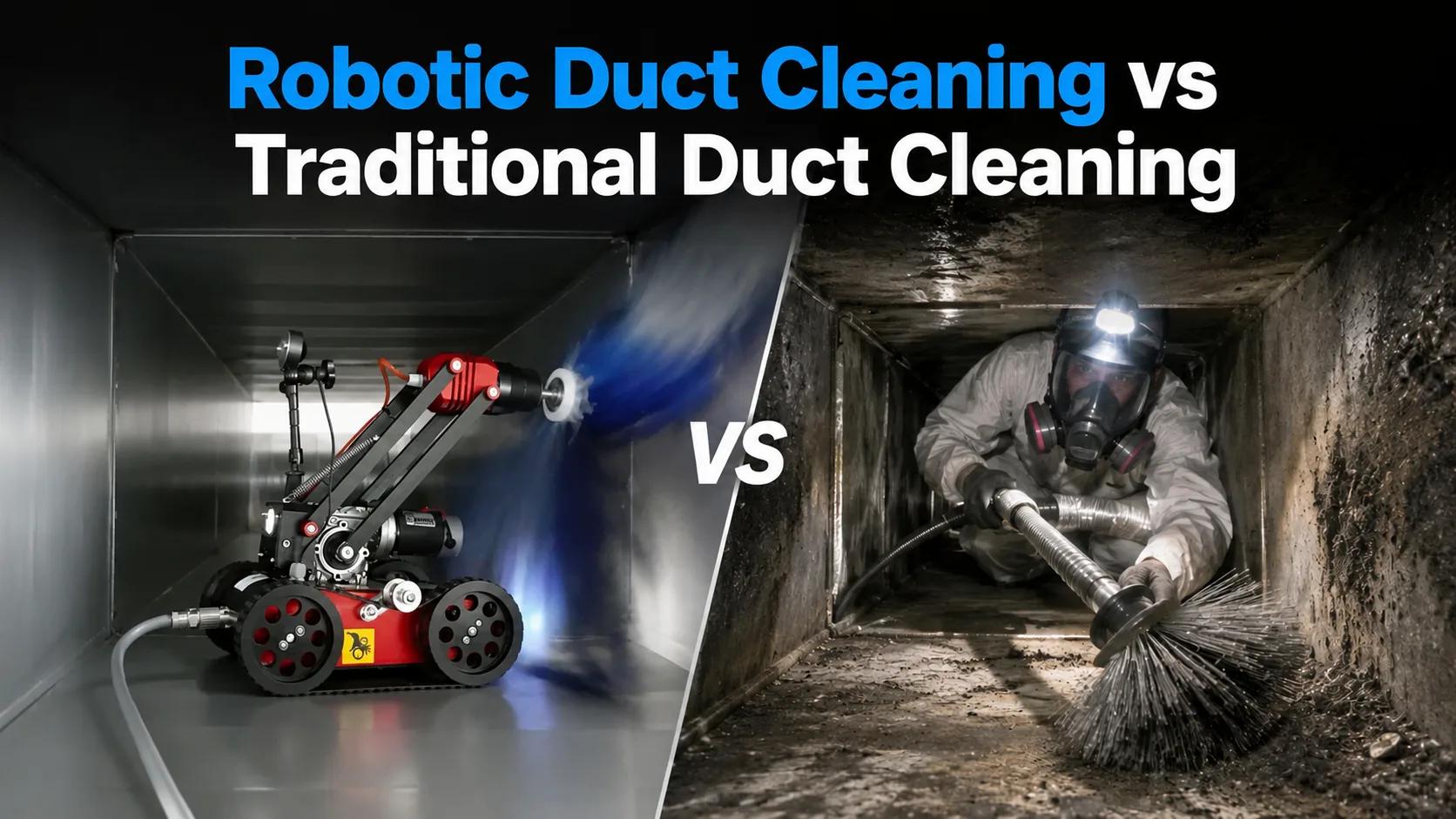
When airflow is compromised, some areas may receive adequate cooling while others remain warm, leading to discomfort and operational inefficiency. Regular air conditioning duct cleaning and repair ensures that air circulates freely and the system performs at its optimal capacity.
Drainage Issues and Moisture Build-Up
Marine air conditioning systems generate condensation during operation, which needs to be drained efficiently. Over time, drain lines can become clogged due to dirt, algae, or debris, leading to water accumulation within the system.
This can result in water leakage inside cabins, unpleasant odors, and even damage to surrounding equipment. In a marine environment, excess moisture can also accelerate corrosion, further impacting system components. Routine maintenance helps in keeping drainage systems clear and prevents long-term damage.
Electrical Failures Due to Corrosion and Moisture
Electrical issues are another major concern in marine HVAC systems. Continuous exposure to moisture and salt can corrode electrical connections, leading to system malfunctions or unexpected shutdowns.
Problems such as faulty wiring, sensor failures, or inconsistent power supply can disrupt the entire cooling process. These issues are often difficult to detect without proper inspection, which is why scheduled maintenance and professional marine HVAC solutions are essential for safe and reliable operation.
Inefficient Insulation and Energy Loss
Insulation plays a crucial role in maintaining temperature stability within marine HVAC systems. Poor or damaged insulation can lead to significant energy loss, forcing the system to work harder to achieve the desired cooling levels.
This not only increases operational costs but also reduces the lifespan of the system. Implementing proper hot and cold insulation ensures that cooling efficiency is maintained and energy consumption is kept under control.
Lack of Preventive Maintenance
Most marine air conditioning problems are not sudden; they develop gradually due to lack of regular maintenance. Small issues, when ignored, can turn into major failures that require expensive repairs or complete system replacement.
Preventive maintenance, including routine inspections, cleaning, and servicing, is the most effective way to ensure long-term performance. Investing in regular marine refrigeration services helps in identifying potential issues early and keeps the system running smoothly even in demanding marine conditions.
Why Addressing These Problems Early Matters
Marine air conditioning systems are not just about comfort, they are essential for maintaining a safe and efficient onboard environment. Whether it is a cargo vessel, offshore platform, or passenger ship, a well-functioning HVAC system directly impacts operational performance.
Delaying repairs or ignoring warning signs can lead to system breakdowns, increased fuel consumption, and operational delays. On the other hand, timely servicing and upgrades ensure consistent performance, reduced downtime, and long-term cost savings.
📞 Looking for Reliable Marine HVAC Services?
If your marine air conditioning system is facing performance issues, it’s important to act before the problem worsens. From diagnostics and repair to complete system upgrades, professional support can make a significant difference.
Get in touch with Pioneer Marine offering Pan India marine HVAC repair, compressor overhaul, system installation, and maintenance services to keep your operations running smoothly.