Imagine shipping a container full of frozen seafood, only to discover that the temperature increased during transit. By the time the shipment reaches its destination, the products may no longer meet the required storage conditions.
For businesses transporting food, pharmaceuticals, chemicals, and other temperature-sensitive goods, maintaining the correct temperature is essential.
This is where reefer containers play an important role.
Unlike standard shipping containers, reefer containers use integrated refrigeration systems to maintain controlled temperatures during transportation and storage.
But how do these containers work, and what makes them suitable for temperature-sensitive cargo?
Let’s understand their working process, benefits, and important considerations before choosing one.
What Is a Reefer Container?
A reefer container, also known as a refrigerated shipping container, is an insulated container equipped with a refrigeration system that maintains a specified internal temperature.
These containers are commonly used in cold chain logistics, where products must remain within defined temperature conditions throughout transportation and storage.
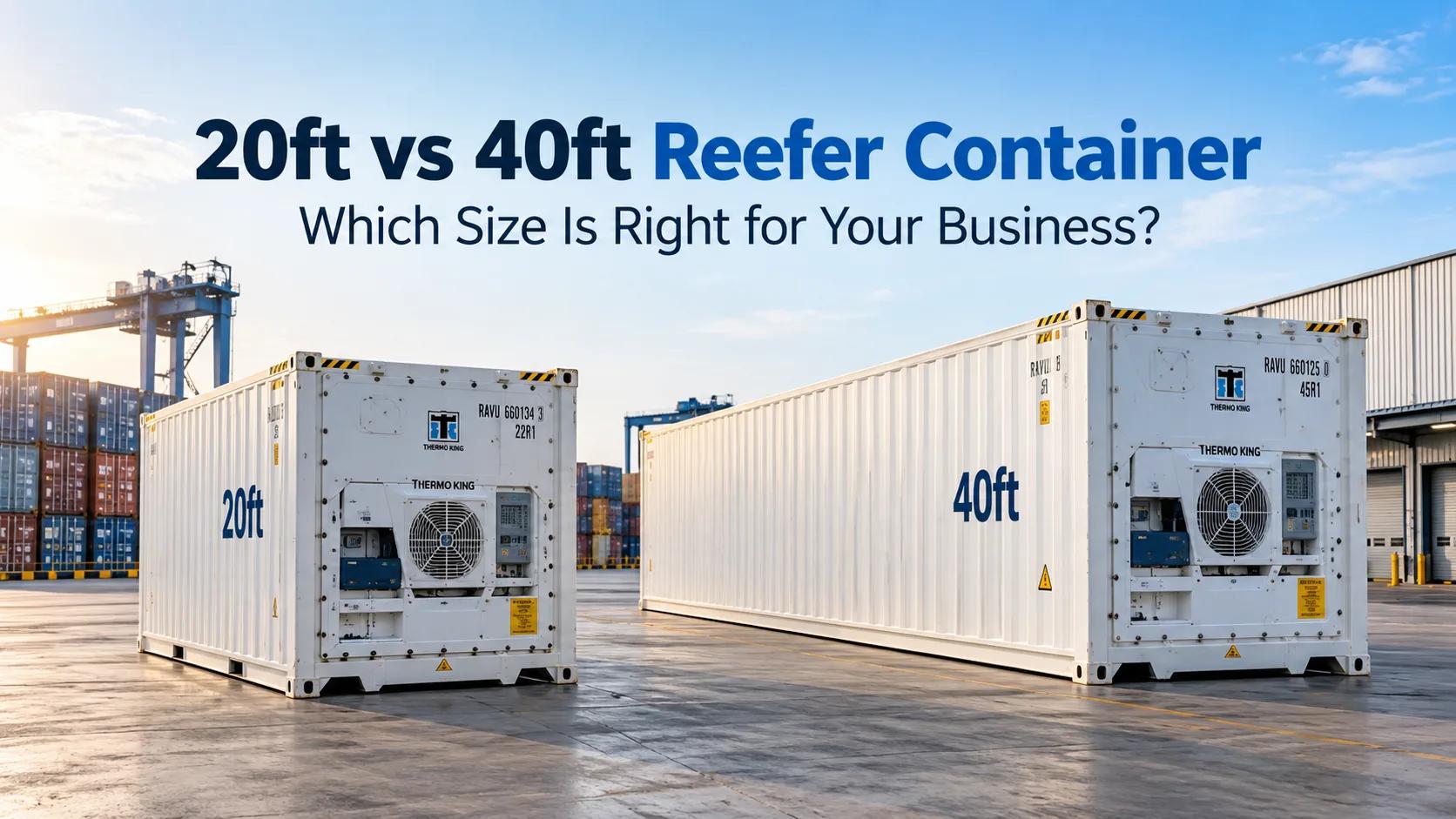
Reefer containers are available in different sizes, including 20ft and 40ft configurations.
Depending on the refrigeration equipment and container model, they can support chilled, frozen, or other temperature-controlled cargo.
For businesses requiring refrigerated storage or transportation, Pioneer Marine’s reefer container solutions include 20ft and 40ft options for marine, industrial, and commercial applications.
How Do Reefer Containers Maintain Temperature?
Reefer containers work through a combination of refrigeration, insulation, airflow management, and temperature monitoring.
Each component contributes to maintaining suitable conditions inside the container.
1. Refrigeration System Controls Internal Temperature
The refrigeration unit removes heat from the container’s interior to maintain the selected temperature.
Its main components include:
- Compressor: Circulates and compresses refrigerant through the refrigeration system.
- Condenser: Releases heat absorbed from inside the container.
- Expansion device: Reduces refrigerant pressure before it enters the evaporator.
- Evaporator: Absorbs heat from circulating container air.
A controller regulates the refrigeration system based on the selected temperature and operating conditions.
For example, frozen cargo may require a setpoint of -18°C, while some chilled products require temperatures above freezing.
The correct setting depends on the product’s storage specifications.
2. Insulation Reduces Heat Transfer
A refrigeration system alone cannot maintain stable temperatures efficiently without proper insulation.
Reefer containers use insulated walls, ceilings, floors, and doors to reduce heat transfer between the outside environment and the cargo space.
This becomes particularly important when containers operate in hot weather or are exposed to direct sunlight.
Damaged insulation, worn door seals, or improperly closed doors can increase heat infiltration and place additional demand on the refrigeration system.
3. Air Circulation Distributes Conditioned Air
Maintaining the correct temperature requires more than producing cold air.
The air must circulate throughout the cargo space.
Reefer containers typically use fans and specially designed flooring to distribute conditioned air around the loaded goods.
However, incorrect loading can restrict airflow.
For example, cartons stacked beyond the permitted loading height may block the return-air path, resulting in uneven temperature distribution.
Following the container manufacturer’s loading guidelines helps maintain proper circulation.
4. Temperature Monitoring Helps Identify Problems
Modern reefer controllers can display operating temperatures, setpoints, and system alarms.
Depending on the equipment, temperature data may also be recorded or monitored remotely.
This helps operators identify problems such as:
- Unexpected temperature deviations
- Refrigeration system faults
- Power interruptions
- Restricted airflow
- Incorrect temperature settings
Monitoring is especially important for products that require documented temperature conditions throughout the supply chain.
What Temperature Can a Reefer Container Maintain?
The operating range depends on the refrigeration unit and container model.
According to Maersk’s published specifications, standard 20ft and 40ft high-cube reefer containers can operate across a temperature range of approximately -30°C to +30°C.
Specialized models may support lower temperatures.
However, this range does not mean every container can maintain every temperature under all operating conditions.
Actual performance depends on the equipment, ambient conditions, cargo loading, and power availability.
The required setpoint should always be based on the product manufacturer’s storage instructions.
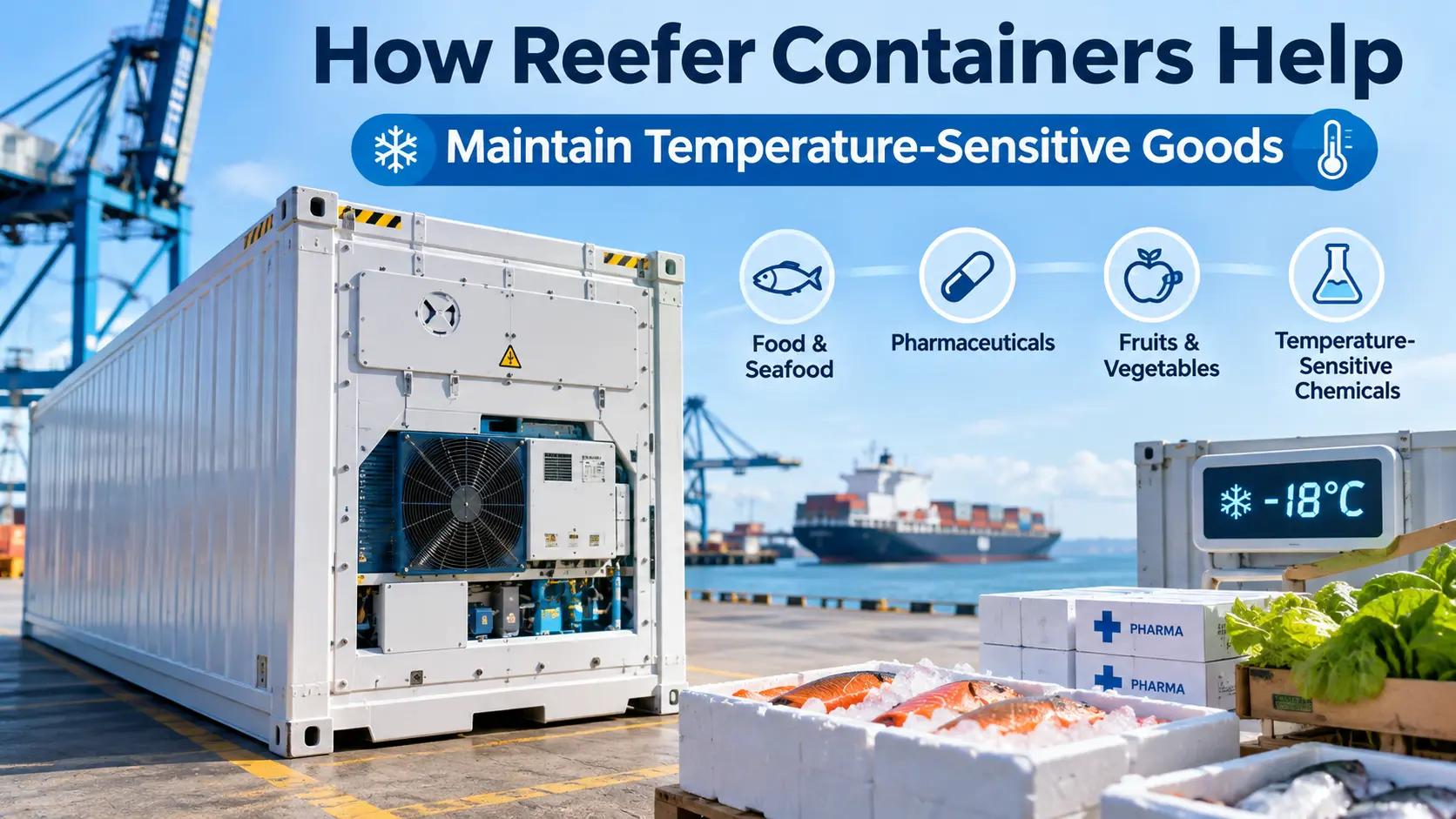
Which Temperature-Sensitive Goods Need Reefer Containers?
Different industries use refrigerated containers for different reasons.
| Cargo Type | Temperature Considerations |
| Frozen seafood and meat | Commonly stored at -18°C or below, depending on requirements |
| Fresh fruits and vegetables | Product-specific temperature, humidity, and ventilation requirements |
| Dairy products | Refrigeration requirements vary by product |
| Pharmaceuticals | Manufacturer-defined storage conditions, often requiring validated monitoring |
| Industrial chemicals | Temperature limits depend on the material’s specifications |
Example: Frozen Seafood Transportation
Consider a seafood exporter transporting frozen fish.
The products are already frozen before loading, and the reefer container is configured to maintain the required storage temperature.
During transit, the refrigeration system removes incoming heat while insulated walls reduce heat transfer.
Proper loading and continuous power help maintain the required conditions.
Example: Pharmaceutical Storage
Some pharmaceutical products require a controlled temperature range, such as +2°C to +8°C.
However, an ordinary reefer container should not automatically be considered suitable for pharmaceutical transportation.
The equipment, temperature distribution, monitoring system, and operating procedures may require qualification or validation before use.
Why Are Reefer Containers Important for Cold Chain Logistics?
Cold chain logistics involves maintaining specified temperature conditions as products move between manufacturers, warehouses, transport facilities, and customers.
A breakdown at any stage can affect product quality or safety.
Reefer containers help businesses manage several important risks.
Reducing Temperature Fluctuations
Automatic refrigeration controls help maintain the selected temperature despite changes in external conditions.
Supporting Product Quality
Correct temperature management helps slow spoilage and deterioration in suitable perishable goods.
However, refrigeration cannot restore products that were already damaged or incorrectly stored.
Supporting Different Transport Applications
Reefer containers can be used in shipping and other suitable logistics operations when compatible power and handling arrangements are available.
Improving Temperature Visibility
Where monitoring and data logging are available, operators can review temperature records and investigate deviations.
For food transportation, the US Food and Drug Administration identifies appropriate temperature control, sanitation, packaging, and loading practices as important measures for reducing transport-related food safety risks.
How to Choose the Right Reefer Container
Choosing a reefer container should begin with the cargo requirements rather than container size alone.
Use this practical checklist before selecting equipment.
Step 1: Identify the Cargo Requirements
Confirm the required temperature range, acceptable fluctuations, humidity requirements, and any applicable handling restrictions.
Step 2: Select the Container Size
A 20ft reefer container may suit smaller shipments or locations with limited space.
A 40ft reefer container offers greater cargo capacity, but suitability depends on weight limits, loading arrangements, and available space.
Step 3: Check Refrigeration Capacity
Verify that the refrigeration system can maintain the required conditions under expected operating temperatures.
Step 4: Confirm Power Availability
Reefer containers require a compatible electrical supply or an appropriate generator arrangement during operation.
Step 5: Review Maintenance and Monitoring
Inspect door seals, insulation, refrigeration components, alarms, and temperature-recording arrangements.
A pre-trip inspection helps identify potential equipment problems before cargo is loaded.
Common Mistakes That Affect Reefer Container Performance
Even a properly functioning refrigerated container can experience temperature problems when used incorrectly.
Common mistakes include:
- Loading products that have not been cooled to the required temperature
- Blocking airflow with poorly arranged cargo
- Selecting an incorrect temperature setpoint
- Keeping container doors open unnecessarily
- Ignoring refrigeration alarms
- Operating without a reliable power supply
One important point: reefer containers are generally designed to maintain cargo temperature, not rapidly cool large quantities of warm products.
Pre-cooling cargo where required helps prevent unnecessary strain on the refrigeration system.
Reefer Container Solutions from Pioneer Marine
Every temperature-sensitive shipment has different requirements.
A seafood exporter may need frozen storage, while an industrial business may require a controlled environment for temperature-sensitive materials.
Pioneer Marine provides 20ft and 40ft reefer container solutions for marine, industrial, and commercial applications.
Businesses can also explore the company’s container solutions to understand the available container categories.
Before selecting a reefer container, it is important to discuss the cargo type, required temperature, container size, installation environment, and operating conditions.
Need a reefer container for your business?
Contact Pioneer Marine to discuss your temperature-control requirements and explore a suitable container solution.