In industries where food quality matters, temperature control is not optional, it is essential. Whether it is frozen seafood, dairy products, meat, fruits, vegetables, or processed food, even a slight temperature fluctuation can lead to spoilage, product loss, and financial damage.
This is where fridge containers, also known as reefer containers, play an important role. These industrial refrigeration containers are designed to store and transport temperature-sensitive products while maintaining a consistent cooling environment. Businesses in food processing, cold chain logistics, marine, offshore, and commercial industries rely on these solutions every day to maintain freshness and product safety.
What Are Fridge Containers?
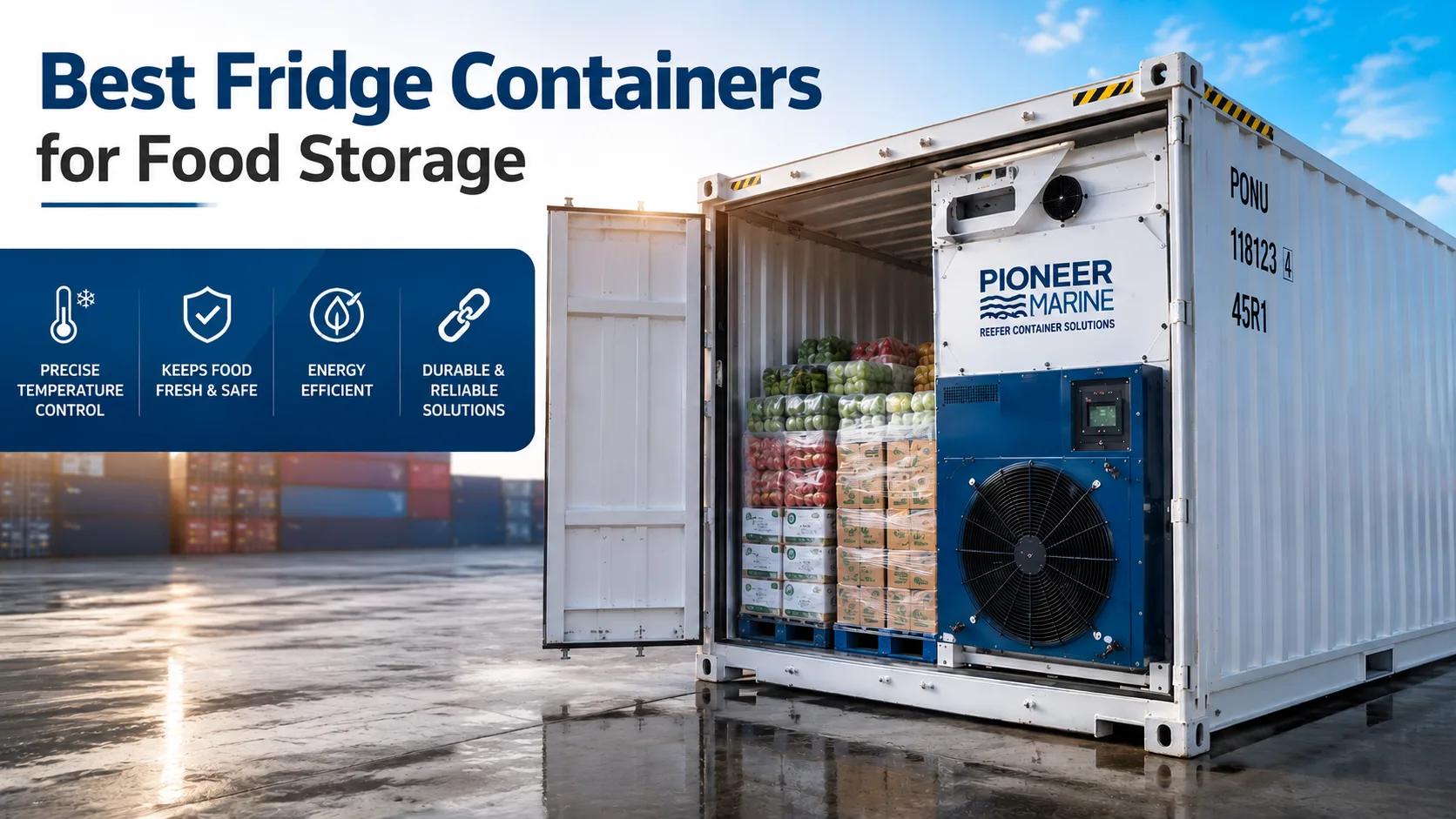
Fridge containers are temperature-controlled industrial containers designed to preserve goods that require chilled or frozen conditions. Unlike standard storage containers, these units come with built-in refrigeration systems that maintain precise temperatures regardless of outside weather conditions.
These containers are commonly used for:
- Food and beverage storage
- Frozen meat and seafood transportation
- Dairy and pharmaceutical products
- Cold storage for industrial operations
- Marine and offshore logistics
For businesses dealing with sensitive cargo, maintaining proper temperature is critical to avoiding spoilage and maintaining product quality.
Important Features of the Best Fridge Containers
Choosing the right fridge storage container is important for maintaining operational efficiency and reducing losses. Here are some essential features businesses should consider:
1. Precise Temperature Control
The best fridge containers offer consistent cooling with accurate temperature settings. This helps maintain ideal storage conditions for different food products.
For example:
- Fresh produce requires chilled storage.
- Frozen food needs deep freezing temperatures.
- Seafood and meat require stable cooling to maintain freshness.
Reliable cooling systems reduce temperature fluctuations and help prevent product damage.
2. Strong Insulation System
Industrial fridge container boxes are designed with high-quality insulation to minimize heat exchange. This ensures the internal temperature remains stable even in harsh weather conditions or long transportation cycles.
Strong insulation also improves energy efficiency and reduces cooling loss.
3. Advanced Airflow Technology
Uneven cooling can damage stored goods. Premium fridge containers include advanced airflow systems that distribute cooling evenly throughout the container, helping maintain product consistency.
This becomes especially important for large-scale food storage operations.
4. Multiple Size Options
Businesses have different storage requirements. Common options include:
20ft Reefer Containers – Ideal for smaller storage requirements and compact operations.
40ft Reefer Containers – Suitable for bulk storage, large shipments, and industrial-scale cooling requirements.
5. Durable Industrial Construction
Industrial fridge containers are built to withstand tough marine, offshore, and industrial environments. Their heavy-duty construction ensures durability, reliability, and long-term performance.
Benefits of Using Fridge Containers for Food Storage
Maintains Food Freshness
One of the biggest advantages of reefer containers is their ability to preserve freshness. Proper cooling helps maintain taste, texture, and shelf life.
Reduces Product Loss
Temperature-sensitive goods can spoil quickly if cooling fails. Reliable fridge containers reduce wastage and help businesses avoid unnecessary financial losses.
Supports Cold Chain Logistics
For food suppliers and exporters, maintaining the cold chain is critical. Reefer containers ensure uninterrupted temperature control during storage and transportation.
Flexible Storage Solution
Whether you need temporary cold storage during peak demand or long-term industrial storage, fridge containers provide flexible and scalable solutions.
Suitable for Multiple Industries
Apart from food storage, fridge containers are widely used in pharmaceuticals, industrial facilities, marine operations, and offshore sectors where controlled temperatures are necessary.
Common Uses of Industrial Fridge Containers
Industrial fridge containers are commonly used for:
- Frozen seafood and meat storage
- Dairy and beverage products
- Fruits and vegetable preservation
- Pharmaceutical temperature-controlled storage
- Food export and logistics operations
- Marine and offshore cold storage applications
Conclusion
Choosing the right fridge container for food storage is more than just selecting a cooling unit. It is about protecting product quality, reducing spoilage, and maintaining operational efficiency.
A high-performance fridge storage container with reliable refrigeration, strong insulation, and proper airflow helps businesses maintain food safety standards while reducing losses.
For industries handling temperature-sensitive cargo, investing in the right reefer container solution can make a major difference in storage performance, product quality, and long-term reliability.